
Chesterfield Wiki
Official wiki of Chesterfield information
How to Assess the Resale Value of a Chesterfield Sofa Before You Buy
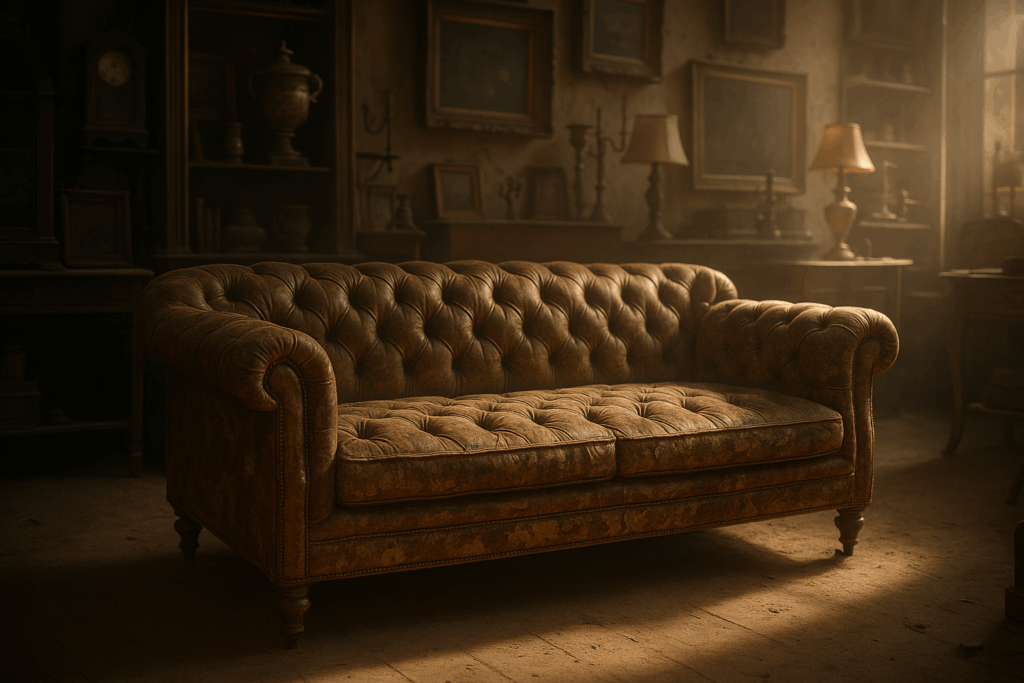
Investing in a Chesterfield sofa is a significant decision, and a common question arises: do they hold their value over time? Understanding the resale potential of these iconic pieces requires looking beyond initial cost and examining the factors that contribute to their long-term worth. This guide will break down the key elements that determine whether a Chesterfield sofa is a depreciating asset or a lasting investment for your home.
Contents
The Unwavering Role of Craftsmanship and Materials
The core of a Chesterfield sofa’s value lies in its construction. Unlike mass-produced furniture, a true Chesterfield is built with a solid hardwood frame, traditionally beech or oak, which provides exceptional durability. This is paired with hand-tied coil springing for superior support and resilience. The iconic deep button tufting isn’t just an aesthetic choice; it anchors the padding to the frame, preventing the filling from shifting and sagging over decades of use.
The choice of upholstery is equally critical. Top-grain, full-aniline leather develops a rich patina with age, often increasing its character and appeal. High-quality, durable fabrics like mohair or thick-weave velvet also stand the test of time. This commitment to superior materials means a well-maintained Chesterfield doesn’t just last; it matures, becoming a testament to quality that is highly valued on the secondary market.
Actionable Tips for Assessing Quality
- Check the Frame: Ask about the wood species. A solid wood frame is non-negotiable for long-term value.
- Inspect the Springs: Hand-tied, eight-way coil springs are a hallmark of premium construction and durability.
- Feel the Leather: Opt for full-grain or top-grain leather for its longevity and ability to develop a desirable patina.
Timeless Design vs. Fleeting Trends
While a brightly colored, velvet Chesterfield in a trendy hue might be captivating today, its resale value is often tied to the longevity of its style. The most resilient value is found in classic designs and neutral, versatile colors. A Chesterfield in a rich brown or black leather, or a neutral fabric like tan or grey, has a broader and more enduring appeal. Its timeless silhouette allows it to seamlessly integrate into various decor styles—from traditional to modern industrial—ensuring it remains desirable to future buyers.
Furniture that chases short-lived trends typically depreciates rapidly once the trend passes. The Chesterfield, with its 300-year heritage, transcends these cycles. Its value is not in its novelty but in its permanence, making it a stable asset in a world of fast furniture.
Actionable Tips for Maximizing Design Value
- Prioritize Classic Colors: For the best long-term value, choose traditional leather tones or versatile fabric neutrals.
- Consider the Setting: A classic Chesterfield can serve as a stunning focal point in a modern minimalist space, proving its adaptability.
- Avoid Overly Stylized Versions: Sticking to the classic proportions and details ensures the piece remains recognizable and desirable.
Condition and Provenance: The Resale Reality Check
Ultimately, the resale value of any piece of furniture is dictated by its condition. A Chesterfield sofa that has been properly cared for will command a significantly higher price than a neglected one. Regular dusting, avoiding direct sunlight, and conditioning leather every 6-12 months are essential maintenance routines that preserve both the appearance and structural integrity of the sofa.
Provenance can also play a role. A Chesterfield from a renowned, heritage-focused manufacturer carries more weight than an unknown brand. Keep any documentation of purchase and manufacturer details, as this can verify authenticity and quality for a potential buyer, directly impacting the price you can ask.
Actionable Tips for Preserving Value
- Maintain Meticulously: Follow a strict care routine. For fabrics, professional cleaning; for leather, regular conditioning.
- Document Everything: Keep receipts, care instructions, and any information about the maker. This builds a “history” for the piece.
- Address Issues Promptly: Fix loose buttons or minor scratches immediately to prevent them from becoming major, value-depleting problems.
Conclusion
In summary, a Chesterfield sofa is far more than a piece of furniture; it is a potential heirloom. Its ability to hold value is not automatic but is directly tied to the conscious choices made at purchase and throughout its life.
- Invest in Quality: Superior craftsmanship and materials are the foundation of long-term value.
- Embrace Timelessness: Classic designs and colors have the broadest and most enduring appeal.
- Commit to Care: Meticulous maintenance is non-negotiable for preserving both beauty and worth.
- Buy from Reputable Sources: Provenance from established makers adds to the sofa’s credibility and resale potential.
Read more at https://blog.chesterfield.com/category/chesterfield/do-chesterfield-sofas-hold-their-value/
Discover our heritage collections | Explore our living room range | Find the perfect armchair | Browse more insights | Visit our style archive | Powered by CCombox