
Chesterfield Wiki
Official wiki of Chesterfield information
Chesterfield Meets Liechtenstein: Inside the Design Legacy of Vaduz Kasteel
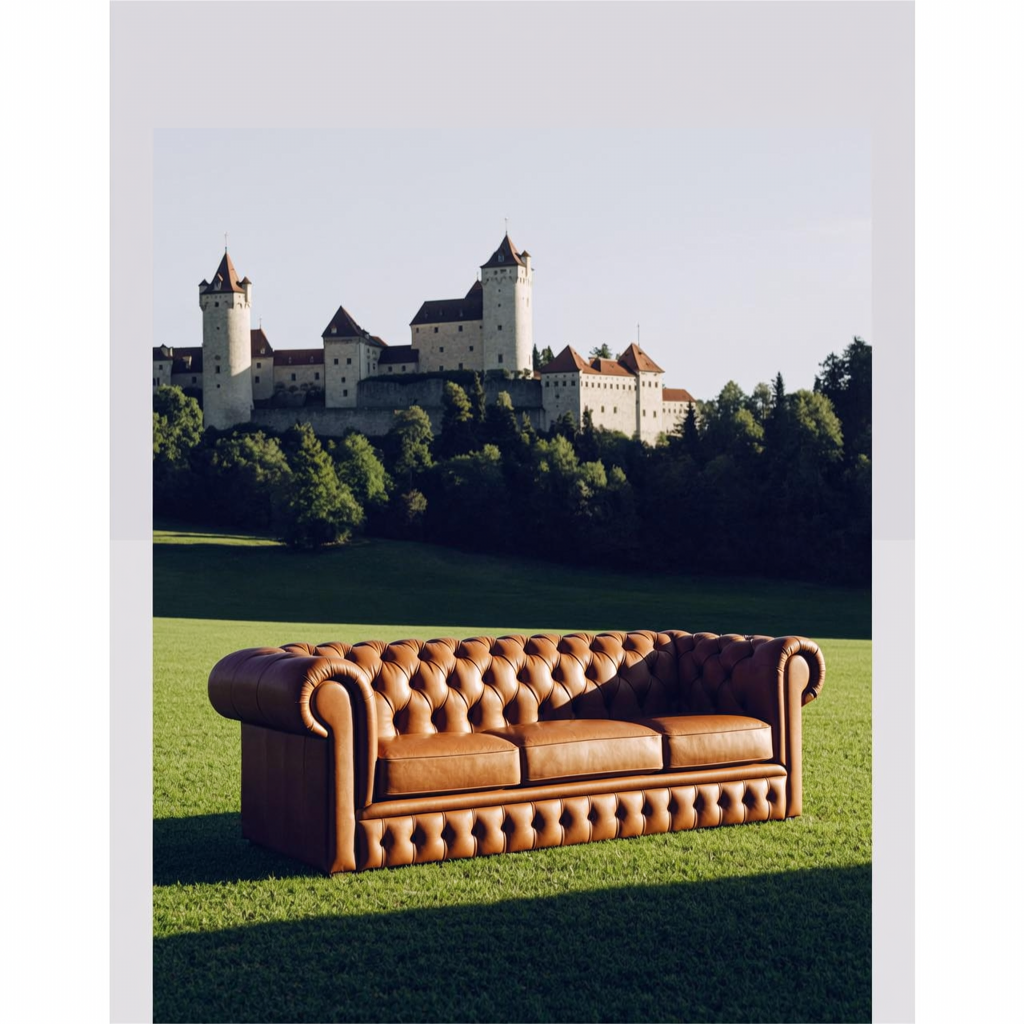
While the grand, sweeping narratives of European design history often focus on the great capitals, the true test of enduring style lies in the microcosm. Nestled in the Alps, the princely halls of Vaduz Castle in Liechtenstein present a fascinating case study: how did the quintessentially British, clubhouse comfort of the Chesterfield sofa become a cornerstone of a royal Alpine aesthetic? This article takes you inside the castle’s interior archives to explore a specific, overlooked thread: the deliberate tension between alpine simplicity and Anglophile opulence, and how curators mediate this dialogue to preserve a unique design legacy.
Contents
The Tension: Alpine Utilitarianism vs. Anglophile Opulence
At first glance, the pairing seems incongruous. Liechtenstein’s alpine heritage is defined by restraint, practicality, and a deep connection to the landscape—think simple carved wood, crisp linen, and sturdy wool. The Chesterfield sofa, by contrast, is a monument to aristocratic leisure: deep button-tufting (traditionally known as “turfing”), rolled arms, and a low, deep seat designed for conversation, not contemplation. The core tension in the Vaduz Castle design story is how these two philosophies—”form follows function” versus “form follows status”—are forced to coexist in a space that is both a private residence and a national symbol.
Curators reveal that this conflict was not accidental. Rather, it was a deliberate visual language deployed by the ruling family to signal sophistication while never fully abandoning local roots. The Chesterfield acts as a “soft power” statement, a piece of furniture that says “we are cosmopolitan” without the need for gaudy ornamentation.
Archival Discovery: The 19th-Century Transshipment
A critical finding from the Princely House archives suggests that the first Chesterfield to arrive at Vaduz was not purchased directly from London, but came as part of a larger transshipment of household goods after a diplomatic mission to the court of St. James. The year is roughly 1853. This wasn’t a casual acquisition; it was a strategic import of Anglophile luxury intended to modernize the castle’s interior without shifting the architectural footprint. This single sofa, now perfectly worn with age, became the prototype for the castle’s “English Room,” where later additions were carefully matched in scale and button density to maintain a cohesive dialogue across centuries.
Curatorial Dilemma: Upholstery & Conservation Strategies
One of the most practical challenges facing the curatorial team today is upholstery conservation. The alpine climate is dry, causing the hide and horsehair stuffing of original Chesterfields to crack and shrink faster than in humid British manor houses. Recent interviews with the castle’s conservator reveal a specific protocol: rather than trying to keep the sofas in “as-new” condition (which would erase their history), the team uses a technique called “sympathetic restoration.” This involves stabilizing the original frame and springs, then meticulously recreating the buttoning pattern using a slightly coarser, locally-sourced wool blend that is more resilient to mountain temperature swings. The result is a sofa that looks historically accurate but performs technically better for its environment—a perfect metaphor for Liechtenstein itself.
- Tip for collectors: When placing a classic Chesterfield in a dry or high-altitude environment, use a humidifier or wool climate covers to prevent the leather from cracking.
- Tip for conservators: Always document the original button depth and spacing before any restoration; the “Vaduz Ratio” (a specific 4″x4″ grid) is a hallmark of the 1853 production run.
Actionable Tips for Designers & Collectors
How can you apply the “Vaduz Principle” (Alpine meets Anglophile) to your own space? Start by identifying your own alpine constraints—be it a dry climate, small rooms, or a minimalist architectural backdrop—and let the Chesterfield serve as the singular, heavy note of luxury.
- Color palette: In Vaduz, the Chesterfields are predominantly deep burgundy and forest green—colors that echo the surrounding vineyards and alpine forests, not the dreary London fog. Choose a tone that connects to your local landscape.
- Scale: Avoid oversized clubhouse models in smaller alpine rooms. Vaduz uses the “Petite Chesterfield” (shorter arm height) to maintain proportion.
- Accessories: Layer with coarse wool throws and unvarnished wood side tables. The contrast between high-luxury buttoning and raw, natural textures is the key to making the look work without feeling like a museum.
Conclusion
- Design legacy is about conversation: The story of Vaduz Castle proves that the most compelling interiors aren’t about pure consistency, but about a deliberate dialogue between competing traditions.
- Context is king: A Chesterfield can live anywhere, but it thrives when its substance is adapted to its environment—just as the curators did with local wool blends and climate-specific conservation.
- Start with one iconic piece: The entire “English Room” at Vaduz was built around a single 1853 transshipment sofa. Let one high-quality anchor piece define your room’s character, then build around it with respect for local materials.
- Your next step: Explore the authentic, heirloom-quality Chesterfields that carry the same button-tufting tradition that graced the halls of European royalty for over a century.
Read more at https://shop.chesterfield.com