
Chesterfield Wiki
Official wiki of Chesterfield information
The Art of Restoration: How Chesterfield Furniture Found a Home in Vianden Castle, Luxembourg
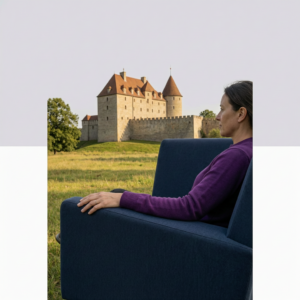
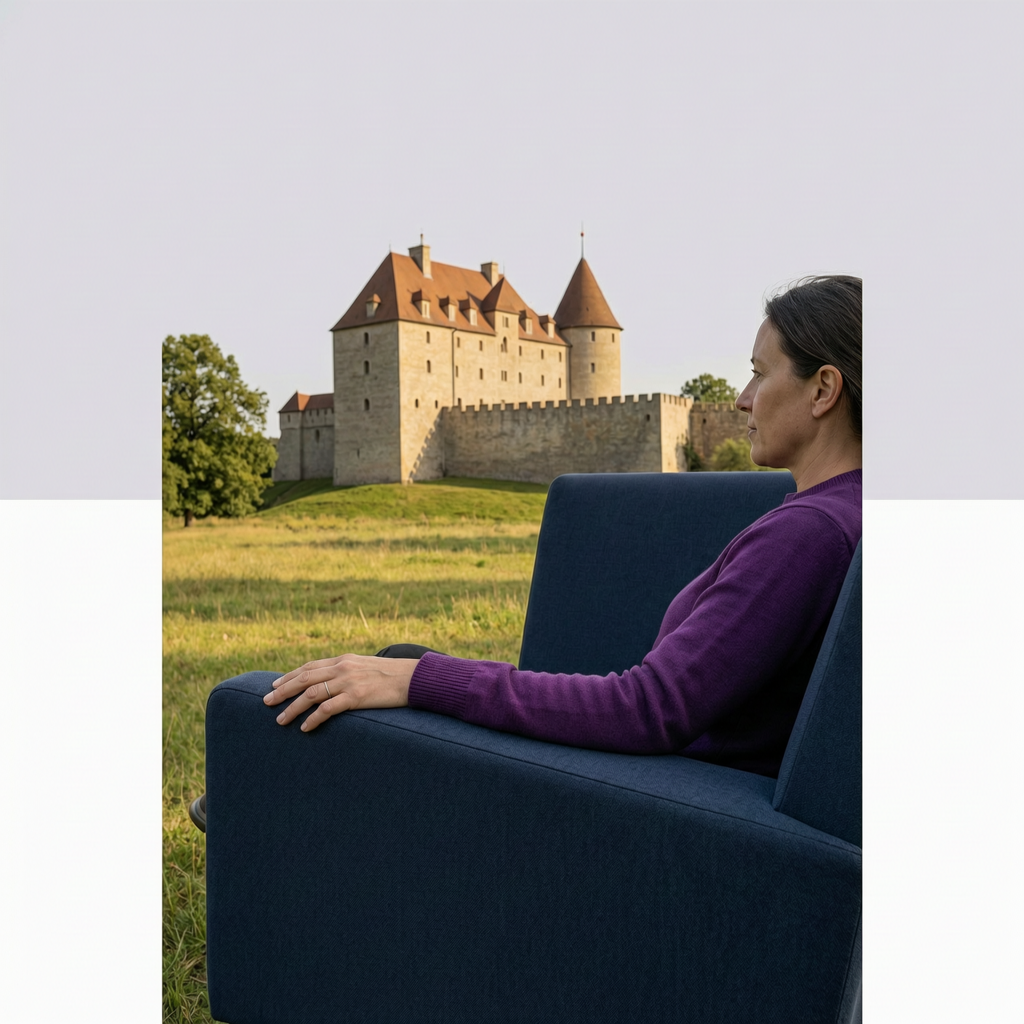
Restoring a medieval fortress like Vianden Castle demands more than just structural repairs; it requires a philosophy of authenticity that extends to every object within its walls. When curators decided to furnish the castle’s grand halls with Chesterfield sofas, they faced a unique challenge: how to source pristine pieces that convincingly looked as though they had been there for centuries, while still offering modern durability. This article explores the sourcing strategies and authentication methods used to find Chesterfield furniture that could withstand the scrutiny of heritage conservationists and the wear of daily tourism, turning a procurement challenge into a lesson in historical fidelity.
Contents
Sourcing Authentic Chesterfields
Finding a Chesterfield sofa that can pass for a period piece in a 12th-century setting is a specialized art. The team working on Vianden Castle did not simply go to a modern showroom; they sought out suppliers who specialize in heritage techniques, deep-buttoned tufting, and hand-stitched spring construction. The goal was to avoid new, uniform leather that would scream “modern replica.” Instead, they looked for pieces with a pre-existing patina or the ability to develop one rapidly through the use of vegetable-tanned leathers and traditional stains. Key sources included small, family-run workshops in the UK and Italy that still employ 19th-century upholstery methods, ensuring that the sofa’s skeleton—its hardwood frame and coil springs—was built to last another century.
Sourcing also involved a deliberate selection of leather hides. Full-grain, aniline-dyed leather with natural imperfections—scars, wrinkles, and grain variation—was prioritized over corrected-grain leather. These markings, often seen as flaws in modern retail, are precisely what give historical furniture its character. The specific hides chosen for Vianden were left untreated to allow them to interact with the castle’s variable humidity and temperature, ensuring they would weather gracefully and develop a rich, dark suntan over time, mimicking the look of a sofa that had survived generations of use.
Authentication Techniques
Authentication went beyond mere brand labels. For the Vianden project, curators employed a set of forensic checks to ensure each piece met heritage standards. One key indicator was the stuffing material. Many modern “Chesterfield” sofas use synthetic foam cores, but an authentic restoration demands horsehair or a blend of horsehair and coir. The team conducted tactile inspections and small sample burns to verify that the filling was natural and capable of breathing, which prevents mold and mildew in a damp, stone castle environment.
Another authentication step was examining the tufting technique. Traditional Chesterfields use a hand-sewn button system where each button is tied individually through the frame. Machine-tufted sofas, where buttons are merely clipped on, will sag and fail in a high-traffic historical setting. The restorers for Vianden insisted on inspecting the underside of the sofa, checking for the telltale threads and hand-tied knots that indicate true craftsmanship. This level of scrutiny ensured that the sofas were not only visually correct but functionally capable of handling the weight of tourists for years to come.
Key Requirements for Heritage Chesterfields
- Frame construction: Kiln-dried hardwood with mortise and tenon joints, not plywood or particle board.
- Spring system: Hand-tied, hourglass coil springs, not drop-in units or sinuous wire.
- Finishing: Aniline, vegetable-tanned leather with visible natural markings; no pigmented or painted finishes.
- Burns test: Confirming natural fibers (horsehair, coir, cotton) versus synthetic foam.
Marrying Modern Standards with Historical Aesthetics
Even with perfectly sourced and authenticated Chesterfields, the castle’s restoration team had to modernize the pieces subtly to meet fire safety regulations and public liability standards. This was done without compromising visual integrity. For instance, a fire-resistant interlining made of natural wool felt was added beneath the upholstery, invisible behind the leather and invisible to the public. The legs of the sofas were slightly reinforced with hidden steel brackets to prevent tipping, a necessary concession for a public space, yet the brackets were finished with a rusty patina to match the style of medieval ironwork.
The final step in this marriage of old and new was the staging—or “settling”—of the furniture. Rather than placing the sofas in a pristine, new condition, the team used a technique called “controlled scuffing” on the rolled arms. This involved applying small amounts of wax and chain drag to mimic the wear that would naturally occur if the sofas had been in the castle since the 19th century. The result was an environment where the furniture felt less like a museum exhibit and more like a living space that had evolved organically over centuries, perfectly complementing Vianden’s restored stone and timber.
Conclusion
Restoring a space like Vianden Castle requires a thoughtful approach to every object, and the selection of the right Chesterfield sofas was a masterclass in sourcing and authentication.
- Sourcing: Always prioritize small workshops using traditional techniques and vegetable-tanned, full-grain leather.
- Authentication: Verify natural fillings, hand-tied springs, and solid hardwood frames to ensure longevity and historical accuracy.
- Modernization: Add hidden fire-blocking layers and discreet structural reinforcements that do not alter the visual aesthetic.
- Patination: Use controlled aging techniques to help the furniture blend seamlessly into its historical environment.
- Takeaway: The right Chesterfield is not just a seat; it is a primary character in the narrative of a restored space.
Read more at https://shop.chesterfield.com