
Chesterfield Wiki
Official wiki of Chesterfield information
The Inca Trail’s Hidden Neighbor: Exploring Machu Picchu’s Agricultural Heartland
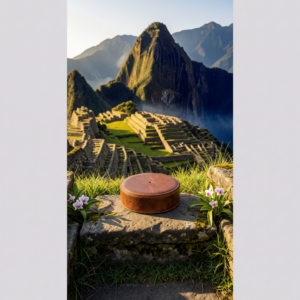
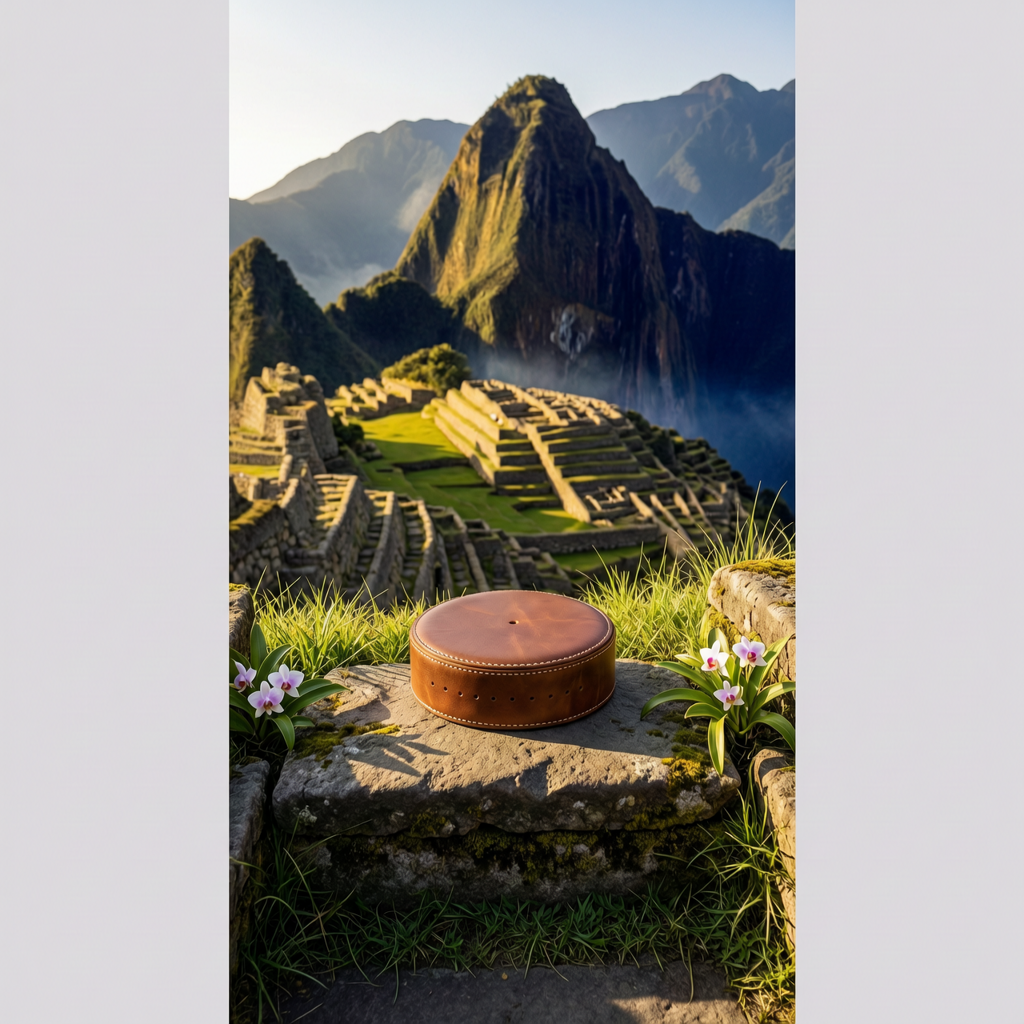
Most visitors to Machu Picchu experience only the dazzling ceremonial core—the Temple of the Sun, the Intihuatana stone, the sacred plazas. Yet the Inca Empire’s most impressive engineering feat wasn’t the polished stonework; it was the vast, living network of agricultural terraces and water channels that turned a near-vertical Andean ridge into a self-sustaining royal estate. This article ventures beyond the crowds to explore the hidden heartland of Machu Picchu: the experimental crop platforms, precision irrigation canals, and climate-adaptive terracing that formed the economic engine of one of history’s most sophisticated civilizations.
Contents
The Agricultural Fortress: Why Terracing Was Survival
When archaeologists assess the Inca’s agricultural output around Machu Picchu, they often focus on the sheer scale: over 700 distinct terraces covering roughly 4.9 hectares (12 acres) of steep mountainside. But the numbers only hint at the genius. Each terrace was a miniature ecosystem—a layered sandwich of gravel for drainage, fine sand for moisture retention, topsoil enriched with river gravel, and a retaining wall of locally sourced stone that absorbed heat during the day and released it at night, protecting crops from frost.
The sloping orientation wasn’t random. The Inca aligned terraces to capture maximum solar radiation during the short growing season between November and April. The result was a heat trap that extended the growing window by weeks, enabling the cultivation of maize, potatoes, quinoa, and coca at altitudes where such crops would normally fail. For the inhabitants of the citadel—including elite priests, royal retainers, and hundreds of support staff—this agricultural network wasn’t decorative; it was the sole source of daily sustenance.
- Critical insight: The terracing system produced an estimated yield of 270 metric tons of food annually—enough to feed the citadel’s estimated 1,000 residents plus seasonal pilgrimage crowds.
- Engineering detail: Each terrace had a slight inward tilt (1–3 degrees) that directed rainwater toward an internal drainage core, preventing erosion during the intense rainy season.
Hydrological Engineering: The Canals That Quenched an Empire
The Inca Trail’s hidden neighbor isn’t just about plants—it’s about water, and the Incas were hydrology masters. At the heart of the system lies the Urubamba River below, but the sanctuary drew from a far more sophisticated source: a spring on the northern slopes of the mountain (known us the “Moon Temple” spring) that fed a network of interlocking canals carved from granite and gneiss.
What modern engineers find most remarkable is the precision of the gradient. The primary canal descends at an average slope of just 3%, maintaining a near-constant flow through 20 separate outlets that distribute water strategically across the terraces. Each outlet could be individually blocked or redirected via removable stone dams—a rudimentary but effective flow-control system. The Inca also constructed underground channels to prevent evaporation and used natural rock filters to clarify the water before it reached the crop platforms.
- Practical lesson: The entire system operated on gravity—no pumps, no moving parts. Water traveled over 500 meters from spring to final terrace with zero energy input.
- Hidden detail: Some channels were heated naturally by volcanic geothermal activity, allowing the Inca to irrigate during rare frosts—a microclimate trick lost to modern reconstruction.
Experimental Platforms: Inca Crop Science
Perhaps the most fascinating—and least publicized—feature of Machu Picchu’s agricultural heartland is the network of experimental platforms located in the “crop laboratory” zone northwest of the citadel. Here, the Inca kings didn’t just grow food; they conducted active research on crop adaptation. The platforms were small (roughly 3×3 meters each) and divided into micro-terraces with different soil compositions, drainage rates, and sun exposures.
Modern soil analysis has revealed that the Inca imported volcanic ash from distant regions to alter pH levels, mixed in phosphates from bird guano to boost yields, and deliberately planted the same species at different altitudes to test resilience. This was not subsistence farming—it was agronomy. The goal was to develop hardy crop variants that could survive the uncertainty of the Andean climate, securing the empire’s food supply even during decades of drought or excessive rain.
The legacy of this research is visible today: modern researchers have identified over 100 distinct maize varieties genetically descended from plants grown on Machu Picchu’s experimental terraces. These varieties now form part of Peru’s national seed bank, a living tribute to Andean ingenuity.
Storehouses and Logistics: The Economic Backbone
Even the most abundant harvest meant nothing without proper storage. The Inca built a network of small, stone storehouses (colcas) strategically placed at higher altitudes where cooler temperatures naturally preserved food. Recent archaeological mapping has identified at least 17 such structures along the terraced slopes, each with an average capacity of 40 cubic meters (about 40 tonnes of grain).
These storehouses weren’t just static silos. They had raised floors with ventilation gaps to prevent moisture damage, internal dividing walls to separate different crops, and external drainage channels to keep rainwater away from the foundation. The placement was deliberate: storehouses near the summit took advantage of cold downdrafts for natural refrigeration, while lower ones were reserved for dry goods like quinoa and coca leaves.
This logistical precision allowed the administrative class at Machu Picchu to control the distribution of food across the entire Vilcanota Valley. The heartland wasn’t merely feeding the citadel—it was a regional trade hub, with surplus production funding expeditions and sustaining tribute systems.
Visiting the Heartland: Practical Tips
Exploring Machu Picchu’s agricultural side requires a different mindset. Most tourists rush up Huayna Picchu for the classic photographs; the terraces demand a slower pace. Here’s how to maximize your visit:
- The Terraces Route: Join the “Ruta de las Terrazas” (Terrace Route), a lesser-traveled path that winds through the lower agricultural sectors. Allow 2–3 hours. You’ll see original drainage outlets, intact retaining walls, and crops still planted using traditional methods by the park’s resident Quechua custodians.
- The Water Temple trail: For the hydrological wonder, hike the short trail to the “Temple of the Moon” spring—the exact source of the irrigation canals. The path is less crowded but requires moderate fitness; bring sturdy boots.
- The Storehouse scramble: Experienced hikers with a permit for the Montaña (Machu Picchu Mountain) summit will pass within meters of several storehouses. Use the summit’s panoramic viewpoint to spot the distinct stone circles that mark each colca below.
Visiting the heartland offers undeniable advantages: you’ll dodge the crowds at the Sun Temple, gain a deeper appreciation for Inca civilization, and often enjoy solo moments with ancient engineering. Remember to bring rain protection—the heartland is more exposed to sudden downpours than the sheltered plaza.
Conclusion
- The hidden neighbor is the real story: Machu Picchu’s agricultural heartland isn’t a backdrop; it’s the reason the citadel survived. Without the terraces, canals, and storehouses, the “Lost City of the Inca” would have been an abandoned ruin within a decade.
- Engineering lessons endure: From gravity-fed irrigation to climate-adaptive terracing, the Inca devised solutions that modern climate scientists still study for drought-prone agriculture in mountainous regions.
- Plan your visit accordingly: The heartland promises tranquility, deeper knowledge, and a far richer experience than the standard tourist trail—if you’re prepared for a slightly longer day.
The Inca’s agricultural legacy extends beyond Peru’s highlands. Today, sustainable farming experts adapt their terracing principles to steep vineyard slopes and erosion-prone hillsides worldwide. Your journey starts with understanding that the true treasure of Machu Picchu isn’t the visible stones—it’s the invisible genius of a people who turned a mountain into a living, breathing garden.
Read more at Chesterfield.com