
Chesterfield Wiki
Official wiki of Chesterfield information
Choosing the Perfect Wall Color for Your Leather Chesterfield Sofa

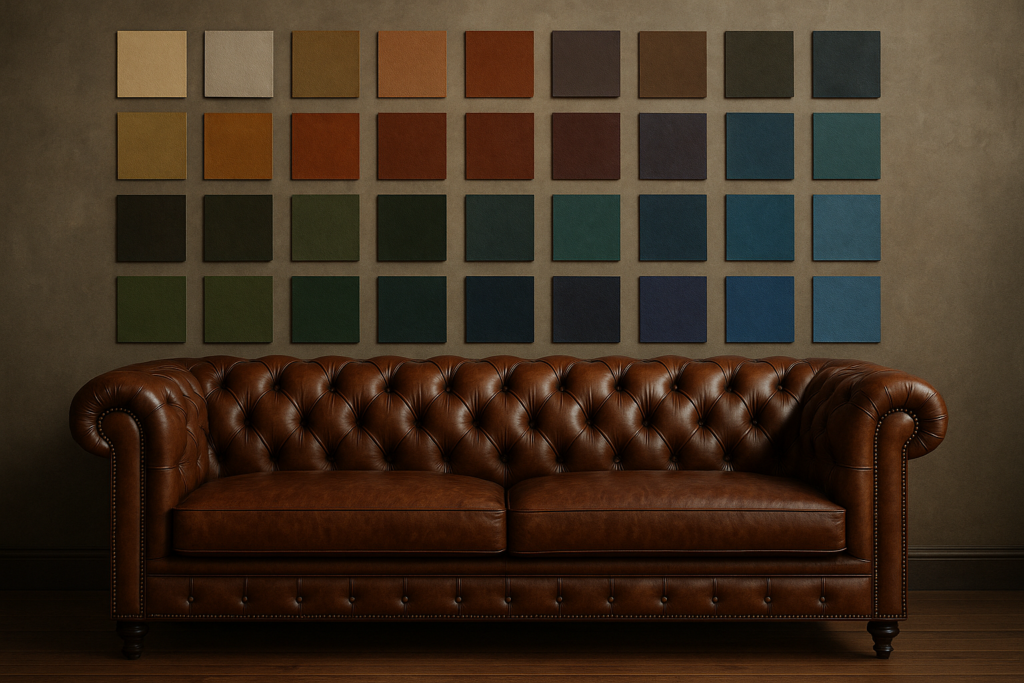
A Chesterfield sofa is a timeless statement piece, but its impact is dramatically influenced by the wall color behind it. Choosing the wrong shade can clash or diminish its elegance, while the right one elevates the entire room. This guide explores smart strategies to scale your interior design by selecting the perfect wall color to complement your Chesterfield in 2025, ensuring your space feels cohesive, modern, and sophisticated.
Contents
Understand Your Sofa’s Character
Before selecting a wall color, analyze your Chesterfield’s defining traits. Is it a classic, deep-brown leather conveying heritage and warmth, or a bold, emerald-green velvet making a contemporary statement? The sofa’s material and color set the foundation. A neutral sofa offers maximum flexibility, while a colored one requires a more strategic approach. Consider its role: is it the undisputed focal point, or part of a larger, balanced ensemble? Answering these questions is the first step in scaling your design from a single piece to a complete, harmonious environment.
Define Your Scaling Goal
“Scaling” in interior design means expanding the visual impact of your centerpiece cohesively. Your wall color strategy should align with a clear goal. Do you want to create a dramatic, enveloping atmosphere, or a bright, airy space that feels larger? For drama, use deep, saturated colors like navy, charcoal, or burgundy on the walls. For airiness and a modern twist, opt for expansive light neutrals like warm white, pale grey, or soft beige. Defining this intent prevents disjointed choices and ensures every element works toward the same aesthetic objective.
Actionable Color Strategies for 2025
- For Leather Chesterfields (Brown/Tan): Scale warmth with earthy terracotta or olive green. For contrast, try sophisticated cool greys or heritage-inspired dark blues.
- For Colored Velvet Chesterfields (Emerald, Sapphire): Let the sofa shine by using muted, complementary walls. For emerald, try a soft greige; for navy, consider a warm off-white.
- The Monochromatic Scale: Use varying shades of the same color family (e.g., sofa in teal, walls in a pale seafoam) for a deeply sophisticated, layered look.
- Accent Wall Scaling: Paint the wall behind the sofa in a bold color, keeping others neutral. This focuses attention without overwhelming the space.
Master Color Theory & Psychology
Strategic color selection is rooted in theory. Use the color wheel: colors opposite each other (complementary) create dynamic contrast (e.g., a burgundy sofa against sage-green walls). Analogous colors (next to each other on the wheel) offer harmony and serenity. Also, leverage color psychology. Deep blues and greens promote calm and are ideal for living rooms, while warmer yellows and peaches foster sociability. Understanding these principles allows you to scale your design intentionally, influencing the room’s mood and perceived size with confidence.
Avoid Common Scaling Pitfalls
Scaling your design successfully means avoiding errors that can make a room feel off. A common mistake is choosing a wall color that matches the sofa too closely, resulting in a flat, dimensionless look. Another is neglecting lighting—always test paint samples at different times of day. Also, ensure your wall color complements the room’s fixed elements, like flooring and trim. Finally, don’t ignore the 60-30-10 rule: 60% dominant (walls), 30% secondary (upholstery, like the sofa), and 10% accent. Straying too far from this balance can make scaling feel chaotic instead of curated.
Conclusion
- Treat your Chesterfield as the anchor and choose a wall color strategy that scales its presence to define the entire room.
- Define your scaling goal—either dramatic and cozy or light and airy—before selecting a paint shade.
- Apply basic color theory and psychology to create intentional contrast, harmony, and mood.
- Always test paint samples in your space’s lighting and avoid matching the wall too closely to the sofa’s hue.
- Adhere to design principles like the 60-30-10 rule to maintain visual balance as you scale the look.
- The right wall color doesn’t just complement your Chesterfield; it unlocks its full potential to transform your living space.
Read more at https://blog.chesterfield.com/category/chesterfield/what-wall-color-goes-well-with-a-chesterfield-sofa/
Explore our Chesterfield collection | Living Room Furniture | Chesterfield Armchairs | Blog Sitemap | House of Chesterfield Posts | Powered by CCombox