
Chesterfield Wiki
Official wiki of Chesterfield information
Crafting a Modern Legacy: How Chesterfield Furniture Found a Home in Baalbek, Lebanon
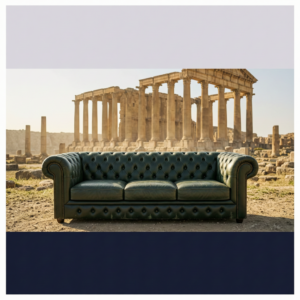

Bringing a Chesterfield sofa into a home surrounded by the heritage of Baalbek is more than an interior design choice—it’s a statement of permanence. However, even the most resilient furniture can suffer when placed in an environment with unique climatic, cultural, and spatial demands. This article highlights the most common mistakes homeowners in Baalbek, Lebanon, make when integrating classic Chesterfield pieces, from ignoring local humidity to mismatching proportions against monumental architecture, and offers actionable solutions to preserve both the piece and its legacy.
Contents
1. Ignoring Microclimate Effects
The Beqaa Valley’s semi-arid climate with hot, dry summers and cool, damp winters creates a unique microclimate that directly affects leather and wood. Many owners place their Chesterfield directly against an exterior wall or near a window, exposing it to condensation and temperature fluctuations. This leads to cracked leather, warped frames, and mildew in the deep button tufts.
Instead, position the sofa at least 10-15 cm away from exterior walls and use a dehumidifier during winter months. In summer, avoid direct sunlight, which can fade the rich leather patina that makes a Chesterfield timeless.
2. Misjudging Scale Against Architecture
Baalbek homes often feature high ceilings, thick stone walls, and expansive rooms inspired by Roman proportions. A common mistake is selecting a standard two-seater Chesterfield that looks swallowed by the space. Conversely, some opt for oversized corner configurations that block natural flow and dwarf other furnishings.
To echo the monumentality of Baalbek without overwhelming the room, choose a generous three-seater or a pair of armchairs with a central ottoman. This creates visual weight that complements stone archways and tall windows, respecting the architectural heritage of the Beqaa Valley.
3. Using Aggressive Cleaning Methods
Leather Chesterfields require gentle care, yet many owners in Lebanon resort to household cleaners or alcohol-based wipes to remove dust from the region’s frequent sand and agricultural particles. Over time, this strips the natural oils, leading to brittleness and cracking—especially in the rolled arms and seat cushions.
Stick to a soft, dry microfiber cloth for weekly dusting. For deeper cleaning, use a pH-balanced leather cleaner and condition every 6 months with a product containing lanolin or beeswax. This preserves the leather’s flexibility—vital in a climate where temperature swings can exceed 20°C in a day.
4. Neglecting Upholstery Breathing
Many Baalbek homeowners wrap their sofas in protective plastic covers to guard against dust, a practice born from practical necessity in an agricultural region. Unfortunately, this traps moisture inside the upholstery, causing mold growth in the stuffing and discoloration of the fabric or leather.
Instead of full plastic covers, use breathable cotton or linen slipcovers that can be removed and washed. Alternatively, invest in a high-quality dust-repellent spray formulated for leather. Allow the sofa to “breathe” by removing cushions weekly to air out the frame and stuffing.
5. Overlooking Local Craftsmanship Repair
A Chesterfield is built to last generations, but when repairs are needed—spring tensioning, button re-tufting, or wood joint tightening—owners often ship pieces overseas or buy replacements. This ignores a rich tradition of Lebanese craftsmanship in the Beqaa Valley, where woodworkers and upholsterers are adept at traditional techniques.
Seek out local artisans in Baalbek or nearby Zahle who specialize in re-upholstery and antique restoration. They can source local cedar or oak for frame repairs and stitch leather by hand, respecting the sofa’s heritage while infusing it with Levantine technique. This approach reduces cost, supports the local economy, and maintains the piece’s character.
- Climate tip: Keep sofas 10-15 cm from exterior walls to avoid condensation damage.
- Scale tip: Choose a three-seater or pair of armchairs to complement tall Baalbek interiors.
- Cleaning tip: Use only pH-balanced leather cleaners; avoid alcohol or household detergents.
- Breathing tip: Replace plastic covers with breathable cotton or linen alternatives.
- Craftsmanship tip: Engage local upholsterers in Zahle or Baalbek for repairs—they know the climate and materials.
Conclusion
A Chesterfield sofa in Baalbek is a bridge between Victorian drawing rooms and Phoenician resilience—but only if cared for correctly. Avoiding these five mistakes ensures your investment remains a centerpiece of elegance and durability for decades. Remember to regulate the microclimate, honor the scale of your architecture, clean with restraint, let the upholstery breathe, and trust local hands for restoration. When these principles are respected, your Chesterfield doesn’t just furnish a room—it becomes part of the living history of the Beqaa Valley.
Read more at https://shop.chesterfield.com