
Chesterfield Wiki
Official wiki of Chesterfield information
How to Professionally Reattach a Button on Your Chesterfield Sofa
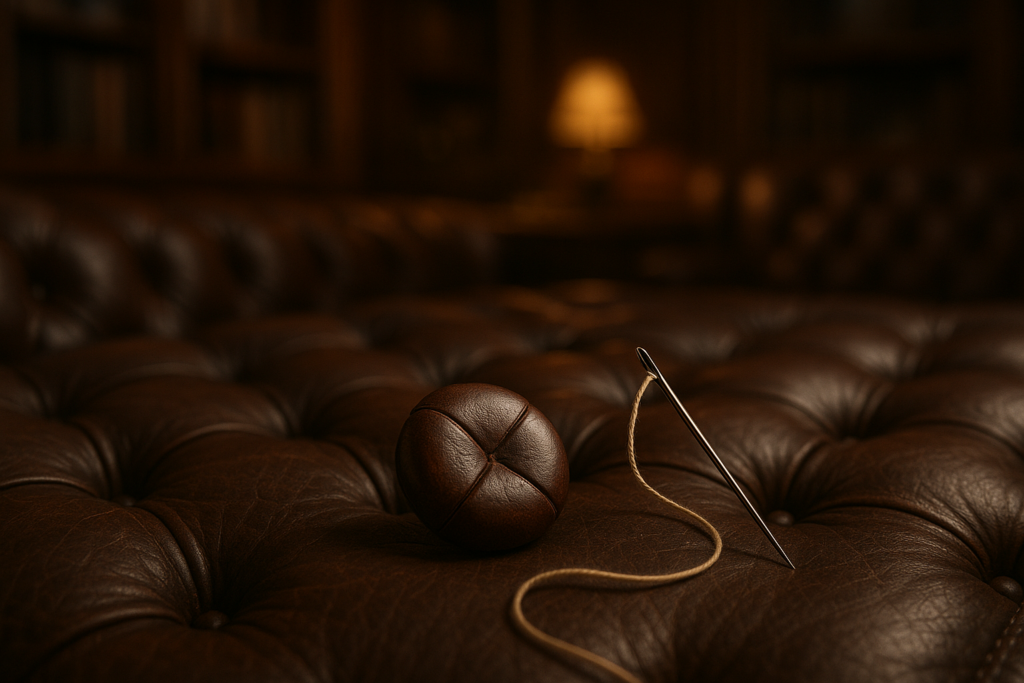
A button coming off your cherished Chesterfield sofa can feel like a minor disaster, marring its elegant silhouette. But fear not—this is a common and often repairable issue. This guide will walk you through the smart strategies to assess the damage, choose the right repair approach, and restore your sofa’s timeless beauty without causing further harm.
Contents
- Assess the Damage: Is It a Simple Fix or a Deeper Issue?
- The Essential Toolkit for a Professional-Quality Repair
- Step-by-Step Process: Reattaching the Button Securely
- Common Mistakes to Avoid During the Repair
- When to Call a Professional Upholsterer
- Conclusion
Assess the Damage: Is It a Simple Fix or a Deeper Issue?
Before you reach for a needle and thread, take a moment to diagnose the problem. A button can detach for several reasons. The most straightforward is a broken thread, where the button is intact but the anchoring stitch has failed. More complex issues include a damaged button back, a torn leather or fabric face around the button, or a failing internal tie that connects the button to the sofa’s internal structure. Gently press around the missing button—if the cushion feels loose or you can feel a deep cavity, the internal tie may have snapped, requiring a more involved repair.
Actionable Tips for Assessment
- Inspect the Button: Check if the shank or holes are broken. A damaged button will need to be replaced with an identical match.
- Examine the Hole: Look for fraying or tearing in the upholstery material. Small holes can be reinforced; large tears need professional attention.
- Test the Tension: Press on surrounding buttons. If they sink in deeply or feel loose, the internal webbing or ties may be compromised, affecting multiple buttons.
The Essential Toolkit for a Professional-Quality Repair
Having the right tools is half the battle. A DIY repair done with improper tools can lead to more damage. For a basic thread-failure repair, you’ll need a long, sturdy upholstery needle (often curved), strong button thread or waxed twine, a needle threader, and a thimble. If the internal tie is broken, you may also require a button tufting needle (a very long, straight needle) and a new length of twine. For leather Chesterfields, a leather repair kit with adhesive and patches might be necessary if the material is torn. Always ensure any replacement button is an exact match for size, color, and style to maintain the sofa’s authentic look.
Step-by-Step Process: Reattaching the Button Securely
For a simple reattachment where the button and fabric are intact, follow this process. First, thread your upholstery needle with a double strand of strong waxed twine. From the front, push the needle through the existing hole where the button was, going deep into the cushion. Have an assistant press down on the cushion at the point where the needle should exit the back of the fabric (usually directly behind the button hole). Catch the needle, pull the twine through, then thread it through the button shank. Push the needle back through the same entry path, creating a loop. Pull tight from the front to create the characteristic dimple, then tie off the twine securely inside the cushion with multiple knots. Trim the excess.
Common Mistakes to Avoid During the Repair
Rushing this repair is the biggest mistake. Using standard sewing thread will guarantee another failure, as it lacks the strength for upholstery tension. Pulling the twine too tight can tear the delicate face fabric, especially on older sofas or velvet. Conversely, not pulling tight enough results in a loose, puckered button that ruins the tufted profile. Another critical error is not securing the knot properly inside the cushion, allowing it to unravel over time. Finally, attempting to repair a damaged internal tie without the correct long needle can lead to misalignment and an uneven cushion surface.
Pro Tips for a Flawless Finish
- Use a Thimble: Pushing a needle through dense cushion filling requires significant pressure. Protect your fingers.
- Match the Twine Color: Use a twine color that matches the button or fabric to make any minor visibility a non-issue.
- Reinforce the Back: For delicate fabrics, consider placing a small, strong fabric patch on the inside before sewing to distribute the tension.
When to Call a Professional Upholsterer
Recognizing when a repair is beyond DIY is a smart strategy. Call a professional if you discover multiple loose buttons, which indicates widespread internal tie failure. If the leather or fabric is significantly torn or worn thin around the button hole, a pro can patch and reinforce it invisibly. For antique or high-value Chesterfields, the risk of devaluing the piece with an amateur repair is high—expert intervention is recommended. Professionals also have access to exact button matches and industrial-strength materials, ensuring the repair lasts for the long term and preserves the sofa’s structural integrity and value.
Conclusion
- Diagnose First: Always assess the cause of the button loss before attempting a repair to choose the correct method.
- Invest in Proper Tools: Using upholstery-specific needles and strong waxed twine is non-negotiable for a durable fix.
- Follow Methodical Steps: A careful, step-by-step approach prevents further damage to the fabric and cushion.
- Know Your Limits: For complex issues, multiple button failures, or valuable antiques, enlisting a professional upholsterer is the wisest investment.
- Preserve the Legacy: A successful repair restores both the function and the iconic aesthetic of your Chesterfield, allowing it to remain a focal point for years to come.
Read more at https://blog.chesterfield.com/category/chesterfield/a-button-came-off-my-chesterfield-can-it-be-repaired/
Explore Chesterfield Sofas | Living Room Collections | Chesterfield Armchairs | Blog Sitemap | House of Chesterfield Sitemap | Powered by CCombox