
Chesterfield Wiki
Official wiki of Chesterfield information
Identifying Your Chesterfield Sofa: A Guide to Dating Through Construction and Materials

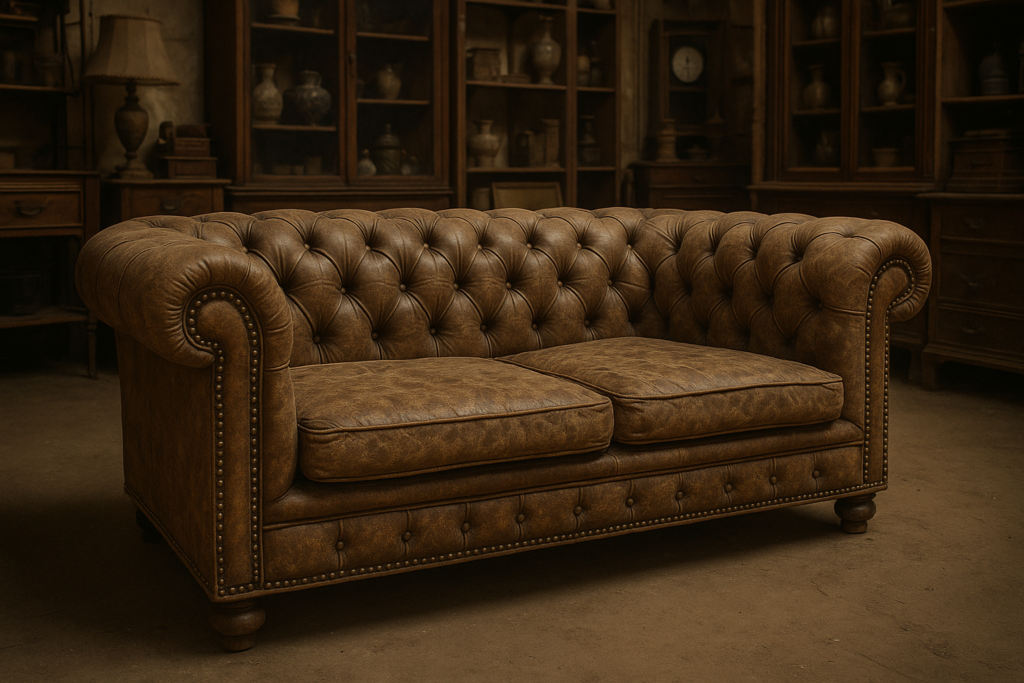
Determining the age of a Chesterfield sofa is like unlocking a piece of history. This iconic piece, blending timeless elegance with superior craftsmanship, has evolved subtly over centuries. Whether you’re a collector, an enthusiast, or simply curious about your own heirloom, understanding the key indicators of age is essential. This guide will walk you through the tell-tale signs, from construction methods to stylistic details, so you can confidently date your classic sofa.
Contents
Construction Clues: The Hidden Timeline
The sofa’s internal construction is one of the most reliable ways to gauge its age. Early Chesterfields (18th and 19th centuries) were built using traditional techniques like hand-forged nails, mortise-and-tenon joinery, and horsehair or hay stuffing. Springs, if present, would be hand-tied in an eight-way pattern. Mid-20th century pieces often feature coil springs and standardized, machine-cut wooden frames. Modern Chesterfields, while still high-quality, utilize more contemporary materials like sinuous springs, high-density foam, and plywood or chipboard in non-critical areas.
Actionable Inspection Tips
- Look Underneath: Carefully turn the sofa (with help) to examine the underside. Look for the type of webbing, the presence of dust cover (modern), and the frame construction.
- Check the Buttons: Original deep button tufting on very old pieces often used leather or twine that has aged and may be brittle. Modern tufting uses stronger, synthetic cords.
- Feel the Weight: Antique frames made from solid, dense hardwoods like oak or mahogany are significantly heavier than modern frames that may use lighter woods or composites.
The Evolution of Style & Proportions
While the core design—rolled arms, deep tufting, and nailhead trim—remains, proportions and details have shifted. Early Victorian Chesterfields were often lower to the ground, with higher, more tightly rolled arms and a more formal, upright silhouette. Edwardian and later models became deeper and more generously proportioned, emphasizing comfort. The 20th century saw variations like the lower “camel back” and the introduction of different arm styles. The exact profile of the roll, the depth of the seat, and the overall scale can provide strong clues about the era of manufacture.
Fabric, Leather, and Finishes
The upholstery material and its condition are critical dating factors. Antique leather develops a unique, deep patina and will show natural cracking and wear that is difficult to replicate. Early velvets were often heavier and made from natural fibers like silk or cotton. The introduction of synthetic dyes and fabrics (like rayon or later polyester blends) points to a 20th-century origin. Also, examine the nailhead trim: early tacks were often irregular and hand-hammered, while modern ones are perfectly uniform and applied by machine.
Material Checklist
- Leather Patina: Genuine, aged leather is supple and has a rich, varied color. Reconditioned or replaced leather may look newer or unnaturally uniform.
- Fabric Labels & Weaves: Check for any manufacturer labels on the fabric itself. Research the weave pattern; some are period-specific.
- Trim Details: Brass or steel nails? Are they slightly uneven? Is the gimp (fabric trim covering staples) original or a later addition?
Documentation, Labels, and Provenance
Always search for any form of documentation. This includes paper labels stitched to the dust cover, stamps or markings on the wooden frame (often hidden under upholstery), or even original purchase receipts. Provenance—the documented history of ownership—can be the most definitive proof of age. If the sofa has been in the same family for generations, family records or photographs can help establish a timeline. For pieces from notable makers or retailers, archival research may be possible.
Common Dating Mistakes to Avoid
Dating a Chesterfield requires a holistic view. Avoid these pitfalls: First, don’t rely solely on wear. A heavily worn sofa could be a distressed reproduction. Second, style alone is misleading, as many modern sofas faithfully replicate antique designs. Third, assuming all “old-looking” materials are original; reupholstering was and is common. Finally, neglecting professional appraisal for high-value pieces—a qualified antique furniture expert can provide the most accurate assessment, considering all factors together.
Conclusion
- Synthesize the Evidence: Never rely on a single clue. Combine observations about construction, style, materials, and documentation for a confident estimate.
- Embrace the Journey: Dating your Chesterfield is detective work that deepens your appreciation for its craftsmanship and history.
- Seek Expert Confirmation: For investment pieces or items of significant sentimental value, a professional appraisal is a worthwhile investment.
- Care for Its Age: Once you understand your sofa’s era, you can tailor its care and placement to honor and preserve its legacy.
Read more at https://blog.chesterfield.com/category/chesterfield/how-can-i-tell-the-age-of-a-chesterfield-sofa/
Discover timeless Chesterfield craftsmanship | Explore our living room collection | Find the perfect Chesterfield armchair | Browse our latest blog posts | Explore more Chesterfield insights | Powered by CCombox