
Chesterfield Wiki
Official wiki of Chesterfield information
The Charless Bridge Perspective: Chesterfields Over the Vltava in Prague
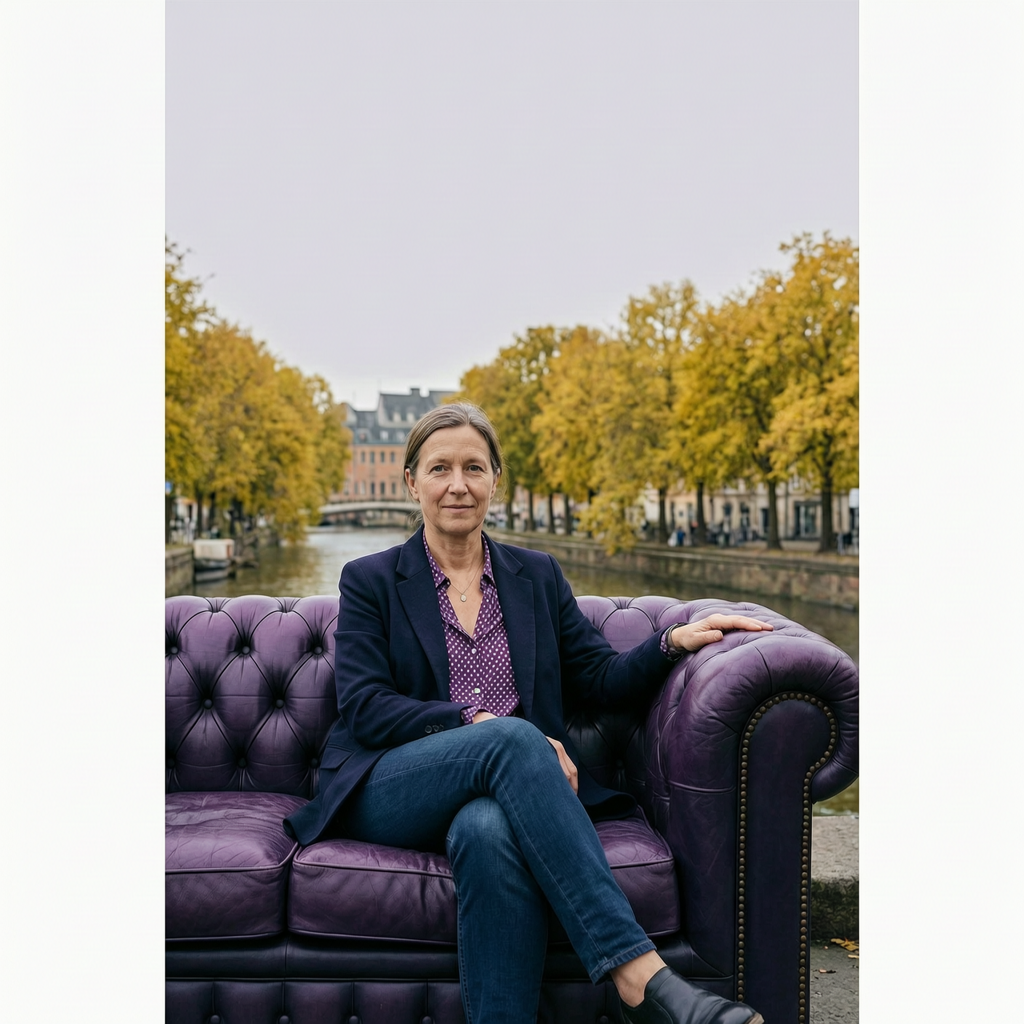
This article dissects a hidden vulnerability in capturing the “Chesterfields Over the Vltava” aesthetic: the soft-focus error. While the visual paradox of tufted leather against the Gothic stone of Charles Bridge is compelling, many photographers destroy the tension by over-softening the image. This guide reveals the exact focal and post-processing thresholds needed to keep the stone sharp and the leather sumptuous.
Contents
Why Soft Focus Kills the Contrast
The signature “Charless Bridge Perspective” relies on the friction between two textures: the buttery, tufted leather of a Chesterfield and the rough, centuries-old masonry of the Old Town Bridge Tower. When you apply a heavy soft-focus filter to unify the frame, you erase this friction. The stone loses its historicity, and the leather loses its tactile invitation.
In practice, the image becomes a muddy, romantic blur. The viewer loses the ability to feel the temperature difference between cold stone and warm leather—the very tension that makes the scene unsettling and memorable.
The Sharpness Threshold for Medieval Stone
To preserve the architectural backbone of the scene, the stone elements (the bridge tower, the Vltava riverbanks, the statue pedestals) must retain at least 85% of their native sharpness in-camera. This means shooting at f/8 to f/11 for adequate depth of field, with a shutter speed no slower than 1/125s to negate water or wind vibration.
In post-production, avoid global clarity reductions. Instead, use a luminance mask to apply sharpening exclusively to the stone elements, leaving the leather textures at a softer, natural 60% sharpness. This creates a “texture polarisation” that guides the eye directly to the conflict zone.
Three Rules for Leather and Stone Texture
- Rule 1: Clarity delta over 30%. Keep leather clarity at -10 to -15, stone clarity at +15 to +20. The 30+ point gap prevents visual blending.
- Rule 2: No global haze. Use a graduated filter on the sky only. The stone and leather must sit in the same exposure zone to keep their materiality.
- Rule 3: Texture layer separation. Duplicate the background layer, apply High Pass at 2.0px to the stone layer, set blending to Overlay at 40% opacity. Keep the leather layer untouched.
Conclusion
- Key takeaway: The Charless Bridge Perspective dies when soft focus homogenizes stone and leather.
- Action step: Next time you frame the Vltava with a Chesterfield in the foreground, check your clarity settings—stone must stay sharp, leather must stay soft.
- Long-term result: Mastering this texture polarity transforms a pleasant riverbank photo into a curated theatrical confrontation between domestic luxury and medieval heritage.
Read more at https://shop.chesterfield.com