
Chesterfield Wiki
Official wiki of Chesterfield information
The Essential Guide to Hardwood Selection for a Durable Chesterfield Sofa Frame
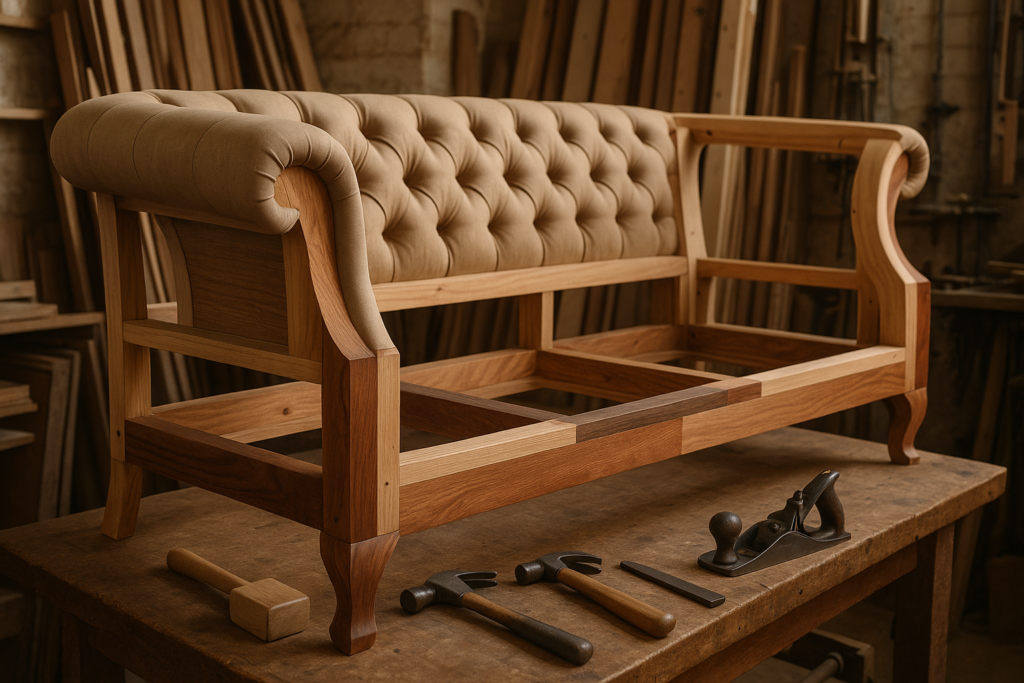
Choosing the right Chesterfield sofa is an investment in timeless style and enduring comfort. A critical, yet often overlooked, factor in its longevity is the wood used in its frame. This article delves into the common mistakes buyers make when evaluating the wood in Chesterfield sofa frames, ensuring you select a piece built to last for generations.
Contents
Mistake 1: Prioritizing Price Over Wood Type
The most frequent error is choosing a sofa based solely on a lower price point without investigating the frame material. Budget options often use softwoods like pine or inferior engineered woods, which are more prone to warping, cracking, and joint failure under the constant stress of daily use. A genuine, durable Chesterfield is an heirloom piece, and its foundation should be hardwoods known for strength.
- Actionable Tip: Always ask the retailer or manufacturer for a specification sheet that explicitly states the wood species used in the frame’s primary structure.
Mistake 2: Confusing Solid Wood with Engineered Wood
Not all wood components are equal. A frame advertised as “wood” could be constructed from particleboard, MDF, or laminated veneer lumber (LVL) in key stress areas. While these engineered materials have their place, they lack the long-term resilience and repairability of solid hardwood. They can sag, delaminate, or disintegrate when exposed to moisture or heavy loads over time.
- Actionable Tip: Inquire if the frame is made from solid hardwood. Reputable craftsmen will use kiln-dried hardwoods like beech, ash, or oak for the main rails, legs, and arm supports.
Mistake 3: Ignoring the Kiln-Drying Process
The stability of the wood is as important as its species. Wood that hasn’t been properly kiln-dried retains high moisture content. As it acclimates to your home’s environment, it will shrink and twist. This movement puts tremendous strain on joints, leading to squeaks, wobbles, and ultimately, frame failure. A quality frame starts with stable, kiln-dried lumber.
- Actionable Tip: Look for brands that emphasize the use of kiln-dried hardwood frames. This is a hallmark of quality furniture construction and is non-negotiable for a lasting Chesterfield.
Mistake 4: Overlooking Joint Construction
Even the best wood is only as good as how it’s joined together. Staples, nails, or simple butt joints are red flags for a frame that won’t withstand decades of use. The wood may be premium, but weak joints are the Achilles’ heel of the sofa’s structure.
What to Look For Instead
Superior Chesterfield frames feature traditional, reinforced joinery. Seek out sofas that use double-doweled joints, corner blocks screwed and glued into place, and mortise-and-tenon construction. These methods distribute weight and stress effectively, creating a rigid, silent, and durable frame.
- Actionable Tip: Don’t hesitate to ask about the joinery methods. A trustworthy seller will be transparent about their construction techniques, often showcasing them in cutaway models or detailed product videos.
Conclusion
To ensure your Chesterfield sofa is a lifelong companion, avoid these common pitfalls. By focusing on solid kiln-dried hardwoods and robust joint construction over initial cost savings, you invest in a frame that will support the sofa’s iconic comfort and elegance for years to come. Remember, the true value lies beneath the luxurious upholstery.
- Always verify the wood species and that it is solid hardwood.
- Confirm the wood has been properly kiln-dried for stability.
- Prioritize traditional, reinforced joinery over staples or simple fixes.
- View the frame as the non-negotiable foundation of your investment.
Read more at https://blog.chesterfield.com/category/chesterfield/what-wood-is-used-in-chesterfield-sofa-frames/
Explore our Chesterfield collection | Living room furniture | Chesterfield armchairs | Blog sitemap | House of Chesterfield sitemap | Powered by CCombox