
Chesterfield Wiki
Official wiki of Chesterfield information
Volcanoes National Park: Chesterfield’s Guide to Rwanda’s Mountain Gorilla Heartland
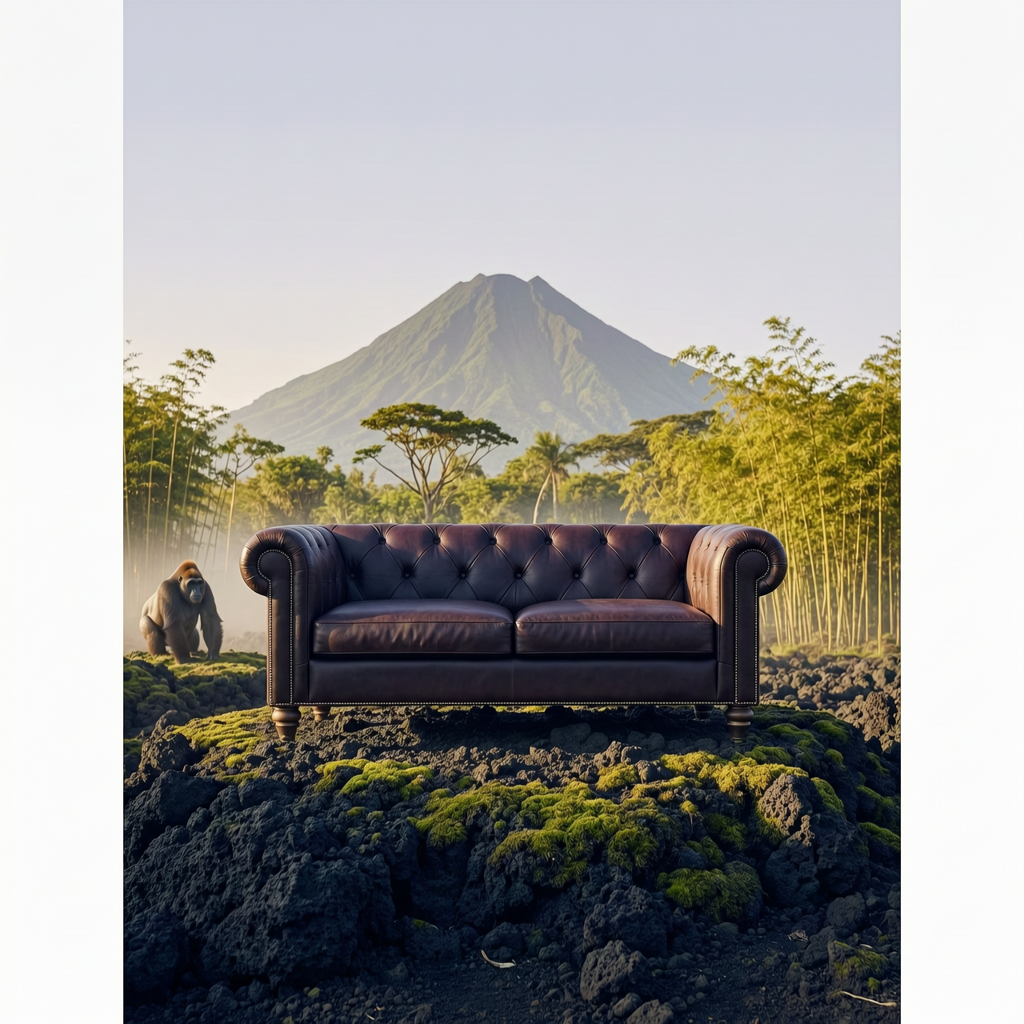
Planning a trek to Volcanoes National Park is about more than booking a permit—it’s about understanding the delicate ecosystem, the culture of the Virunga slopes, and the financial landscape that keeps conservation alive. This guide focuses on a narrow but critical angle: how to avoid the most common permit and trekking mistakes that can disrupt your experience and impact the gorilla families you’ve traveled so far to see.
Contents
The Permit Procurement Trap
The single most expensive error travelers make is assuming the $1,500 permit is a simple transaction. The Rwanda Development Board (RDB) releases permits on a rolling calendar, often selling out for peak seasons (June–September and December–February) months in advance. Many visitors book flight and lodging first, then scramble for permits, only to fall victim to unauthorized resellers charging double or triple the official rate.
Always purchase directly through the RDB’s official portal or your lodge’s verified booking team. A legitimate permit is tied to your passport number and a specific date—no exceptions. If a third-party offers “flexible dates” or “guaranteed family swaps” at a premium, walk away. The only official way to change a trek date is through RDB’s formal rebooking process, which is rarely guaranteed.
- Action: Check the RDB permit calendar 6–8 months ahead of your intended travel window.
- Warning: Never pay via untraceable methods like wire transfer or cryptocurrency; use a credit card for added protection.
Choosing the Wrong Gorilla Family
There are over a dozen habituated gorilla families in the park, but they are not interchangeable. The Susa Group, made famous by Dian Fossey, is the highest-altitude trek and demands extreme fitness—often a 4–6 hour climb. The Amahoro Group is closer to base, perfect for families or first-time trekkers. The Hirwa Group is known for golden monkey co-habitation sightings but is less predictable.
The mistake is choosing a family based on name recognition. Your guide allocates groups based on your physical conditioning and interests at the morning briefing. Arriving with a rigid mindset, insisting on Susa without the stamina, results in a miserable day and a partial experience. Instead, arrive at the briefing with two or three families you’d accept, and trust the rangers’ assessment of your group’s ability.
- Tip: Ask your lodge for specific family info (altitude, distance, recent trackability) 48 hours before trek day.
- Reality: The gorillas move 1–2 km daily; even “easy” groups can be elusive after heavy rain.
Underestimating Altitude and Terrain
Volcanoes National Park’s base sits at roughly 2,500 meters, but treks climb to 3,000–3,700 meters. At that elevation, oxygen is thin, and the terrain is a slippery mess of volcanic rock, mud, and dense stinging nettles. The most common failure isn’t a lack of leg strength—it’s a lack of altitude acclimatization. Trekking on day two after arriving from sea level is a recipe for severe altitude sickness, migraine, and vomiting.
Seasoned guides also see trekkers arrive in brand-new boots that have never been worn. That immediately leads to blisters within the first hour. Breaking in boots for at least three weeks is non-negotiable. Additionally, you must bring gaiters and gardening gloves—not photo gloves—to navigate the sharp bamboo and stinging plants.
- Strategy: Arrive in Kigali 2–3 days before trekking to acclimate. If you must trek immediately, request a lower-altitude group like Amahoro.
- Gear: Rent a porter (US$20) at the gate—the physical and safety benefits outweigh the cost.
The Unspoken Rules of the Forest
The 7-meter distance rule isn’t for your safety—it’s for the gorillas’ immune systems. Human pathogens are lethal to these primates, and a sneeze or uncovered cough can transmit respiratory viruses that wipe out entire families. The rangers will enforce this strictly, but they can’t control everything. You must be proactive.
Another frequent mistake is wearing camouflage or bright colors. Gorillas are visually oriented; a bright yellow jacket can agitate the silverback and trigger a false charge. Similarly, visitors speak in loud whispers, forgetting that gorillas are acclimated to hushed human voices, but sudden excitement causes stress. The true rules: silence your phone entirely, use your camera’s manual silent mode, and crouch calmly if a gorilla approaches—never run.
- Rule: Leave ALL electronic devices except your camera and phone in the dry bag at base.
- Etiquette: Turn your face away if a gorilla beats its chest—this is a display of tension, not play.
Conclusion
Avoiding these costly mistakes will elevate your trek from a simple photo opportunity into a once-in-a-lifetime encounter with the world’s rarest great apes. The key takeaways are:
- Permit: Buy direct from RDB only, 6 months early, with credit card.
- Group: Choose a family matched to your fitness, not just fame.
- Body: Acclimate for 48 hours; break in boots and carry gaiters.
- Respect: Maintain the 7-meter rule and stay silent and low-contrast.
Read more at https://shop.chesterfield.com